How to Keep Construction Delays from Costing You Lease Time & Money
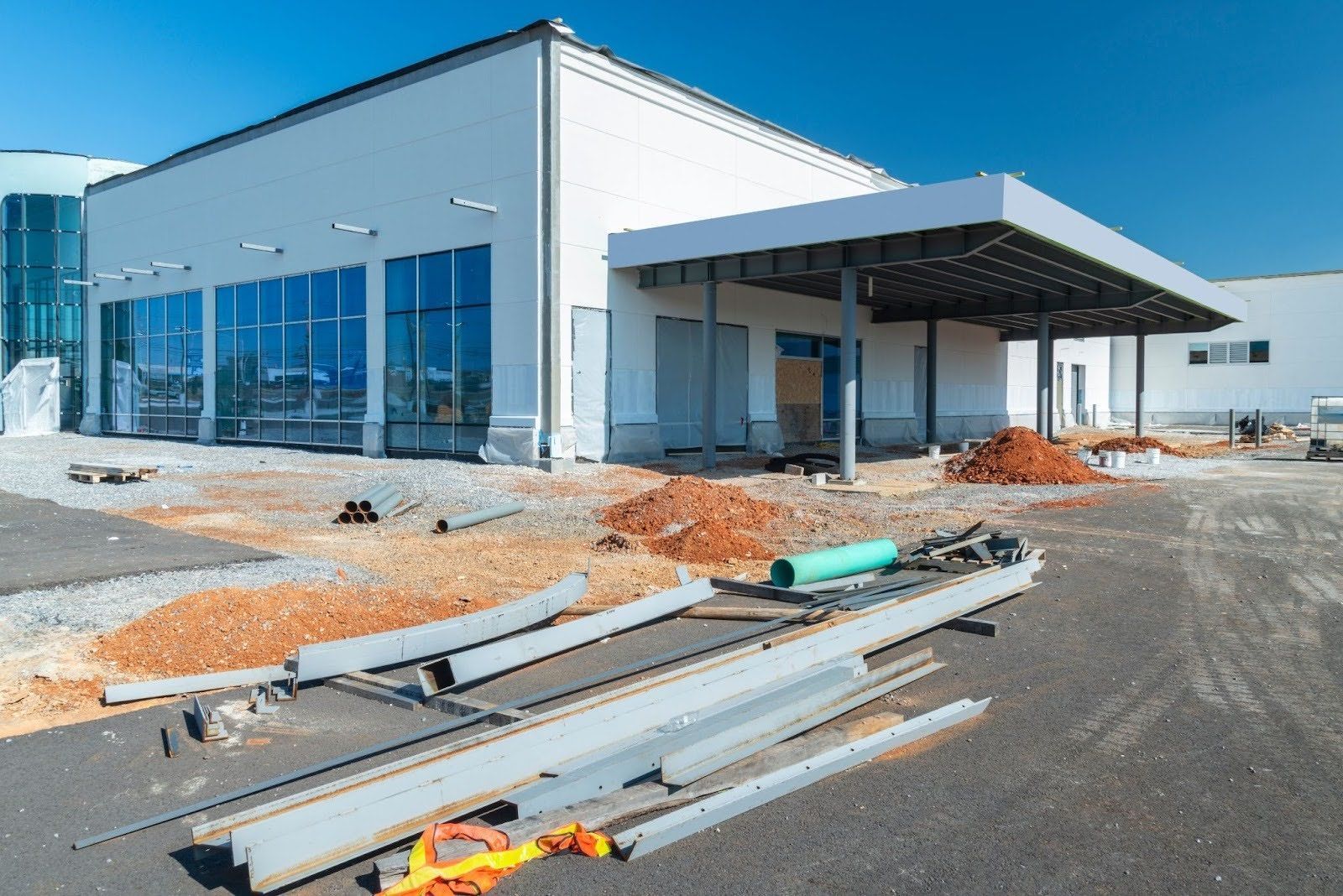
A signed lease is a milestone—but it’s not the finish line. The real success is getting a tenant into their space, open for business, and operating on schedule.
That’s where construction can either support the deal—or quietly derail it.
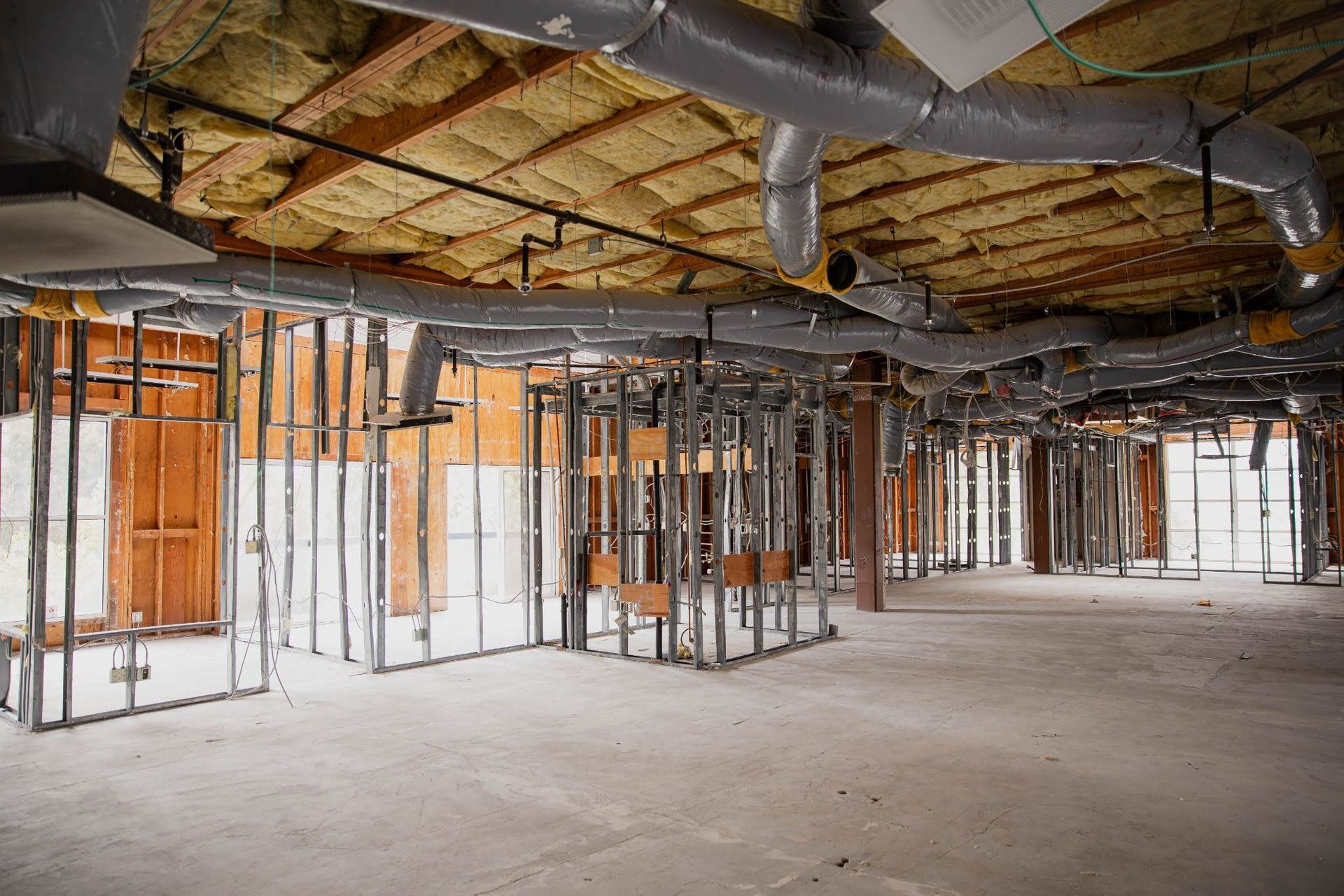
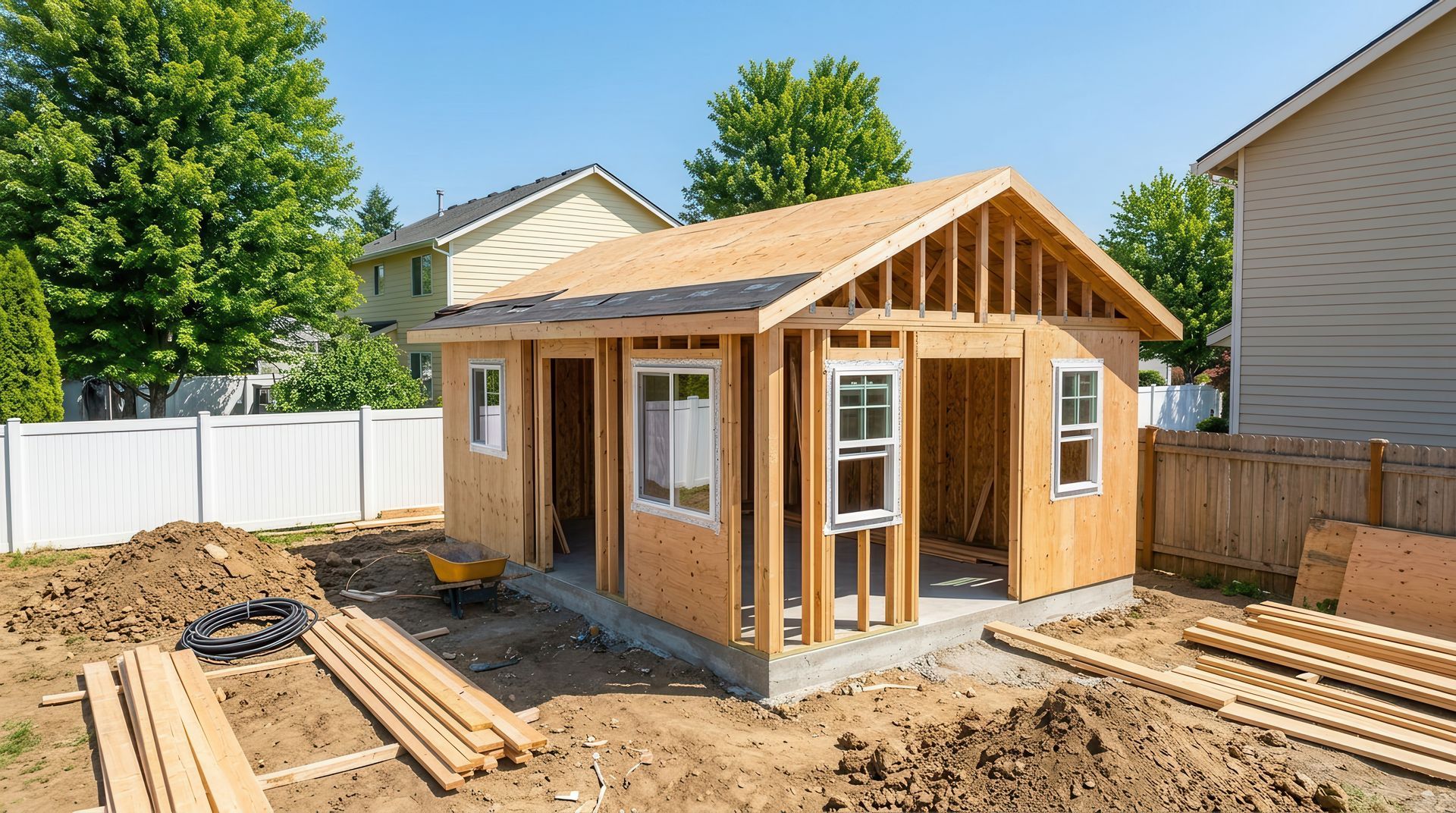
In commercial real estate, delays during tenant improvements don’t just push back move-in dates. They can impact revenue, create friction between stakeholders, and put unnecessary pressure on relationships that took months to build. In a market like San Diego, where permitting and regulatory requirements are especially rigorous, those risks are even more pronounced.
Where Delays Start
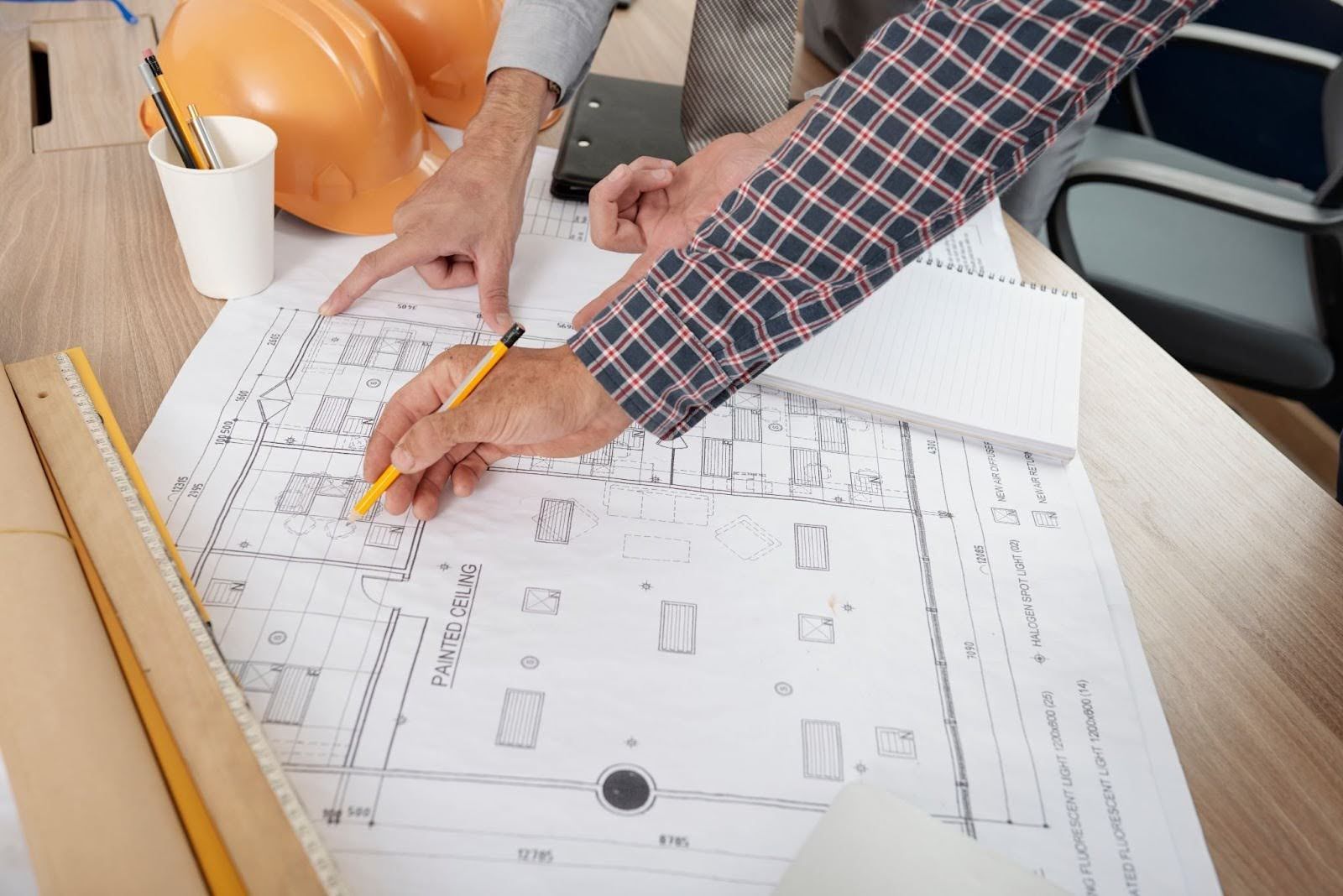
Construction issues rarely begin in the field. More often, they originate earlier in the process—before permits are submitted or work begins.
Some of the most common causes include:
- Permitting timelines that weren’t fully accounted for
- Incomplete or loosely coordinated construction drawings
- Design decisions still being made after construction has started
- Unknown building conditions uncovered too late
Individually, these may seem manageable. But together, they create a compounding effect—slowing progress, increasing costs, and introducing uncertainty into what should be a predictable timeline.
Why Early Coordination Changes Everything
The difference between a smooth project and a delayed one often comes down to when the contractor gets involved.
Bringing a contractor into the process early—during planning, not just construction—creates the opportunity to identify issues before they impact the schedule. It shifts the approach from reactive to proactive.
During pre-construction, key questions get answered early:
- Is the design aligned with the existing building conditions?
- What will permitting realistically require—and how long will it take?
- Are there scope gaps that could lead to change orders later?
- Does the construction timeline actually support the lease terms?
This level of visibility allows everyone involved—brokers, property managers, and tenants—to make informed decisions with fewer surprises along the way.
Protecting the Deal, Not Just the Build
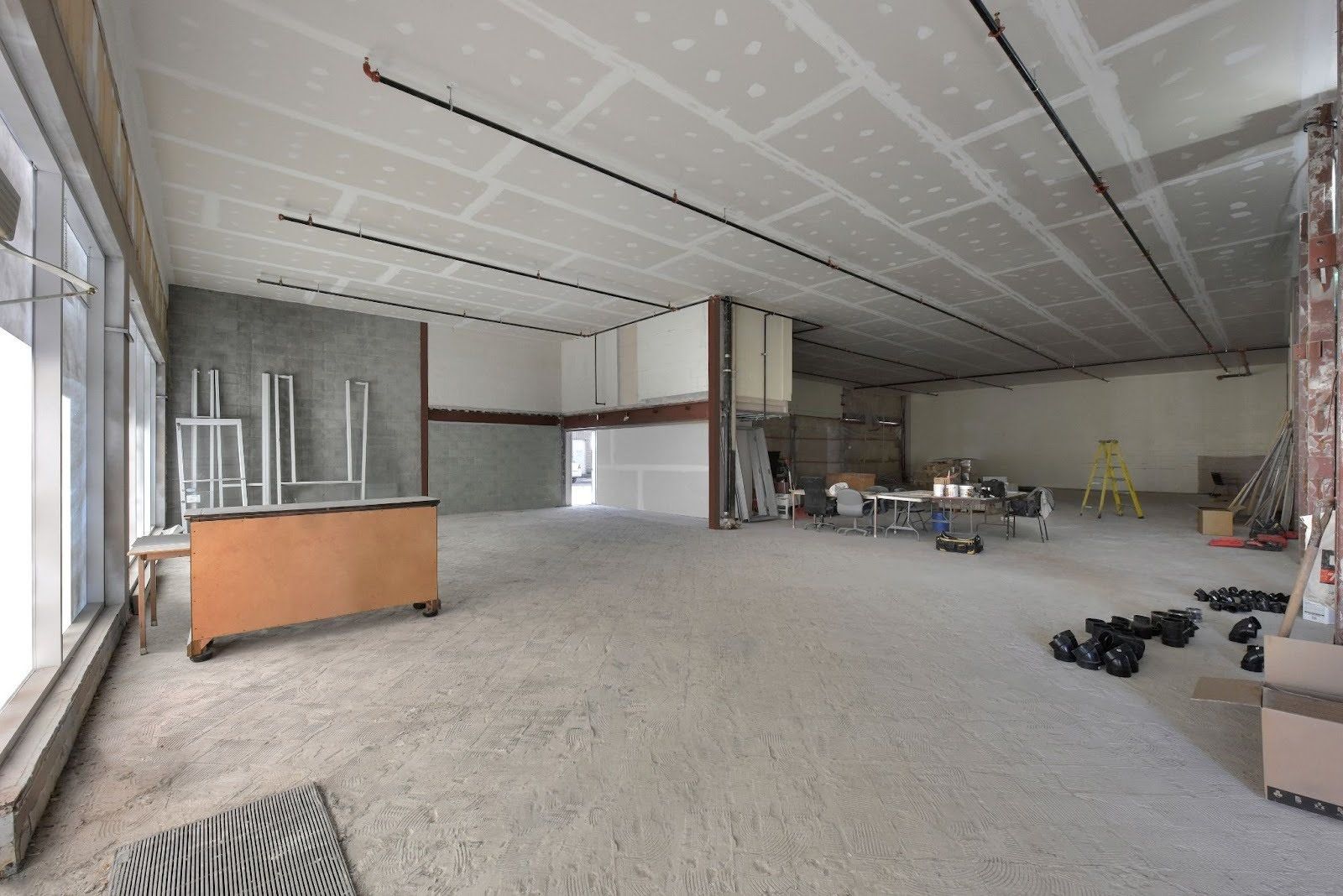
Construction is one piece of the transaction—but it’s the piece that ultimately determines when the space becomes usable.
When timelines slip, the impact is immediate:
- Tenants delay opening or operations
- Rental income is pushed back
- Coordination between all parties becomes more difficult
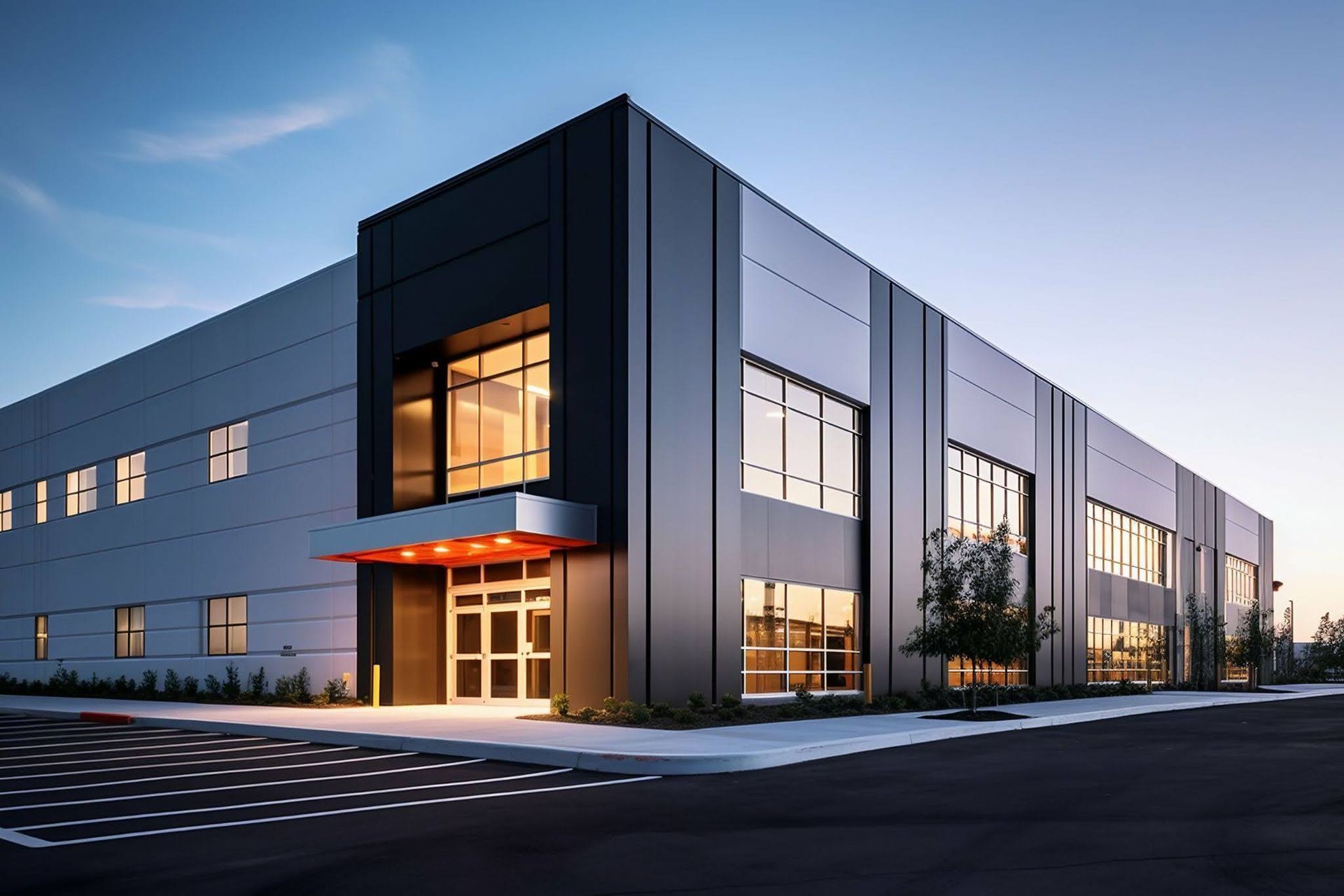
On the other hand, when construction is clearly planned and well-managed, everything downstream benefits. Timelines hold, expectations stay aligned, and the transition from lease signing to occupancy feels seamless.
A More Predictable Path Forward
Avoiding delays isn’t about eliminating every unknown—it’s about addressing the right things early, before they become problems.
For property managers and brokers, that means treating construction as part of the transaction strategy—not just the final step.
At Firestone Builders, Inc., we work with clients throughout San Diego to bring clarity to that process early on—helping navigate permitting, align design with real-world conditions, and build schedules that hold up in practice.
The goal is simple: fewer surprises, smoother projects, and lease transactions that move forward the way they’re intended to.
You might also like