Accessory Dwelling Units (ADUs) in San Diego: Regulations, Costs, and Return on Investment
As another year winds down, many San Diego homeowners start thinking seriously about next year's home improvements, and increasingly, that means an Accessory Dwelling Unit (ADU). Whether the goal is housing an aging parent, creating space for adult children, or generating rental income, ADUs have become one of the most requested projects we see. Here's what homeowners need to know about regulations, realistic costs, and the return on investment before breaking ground.
What Is an ADU?
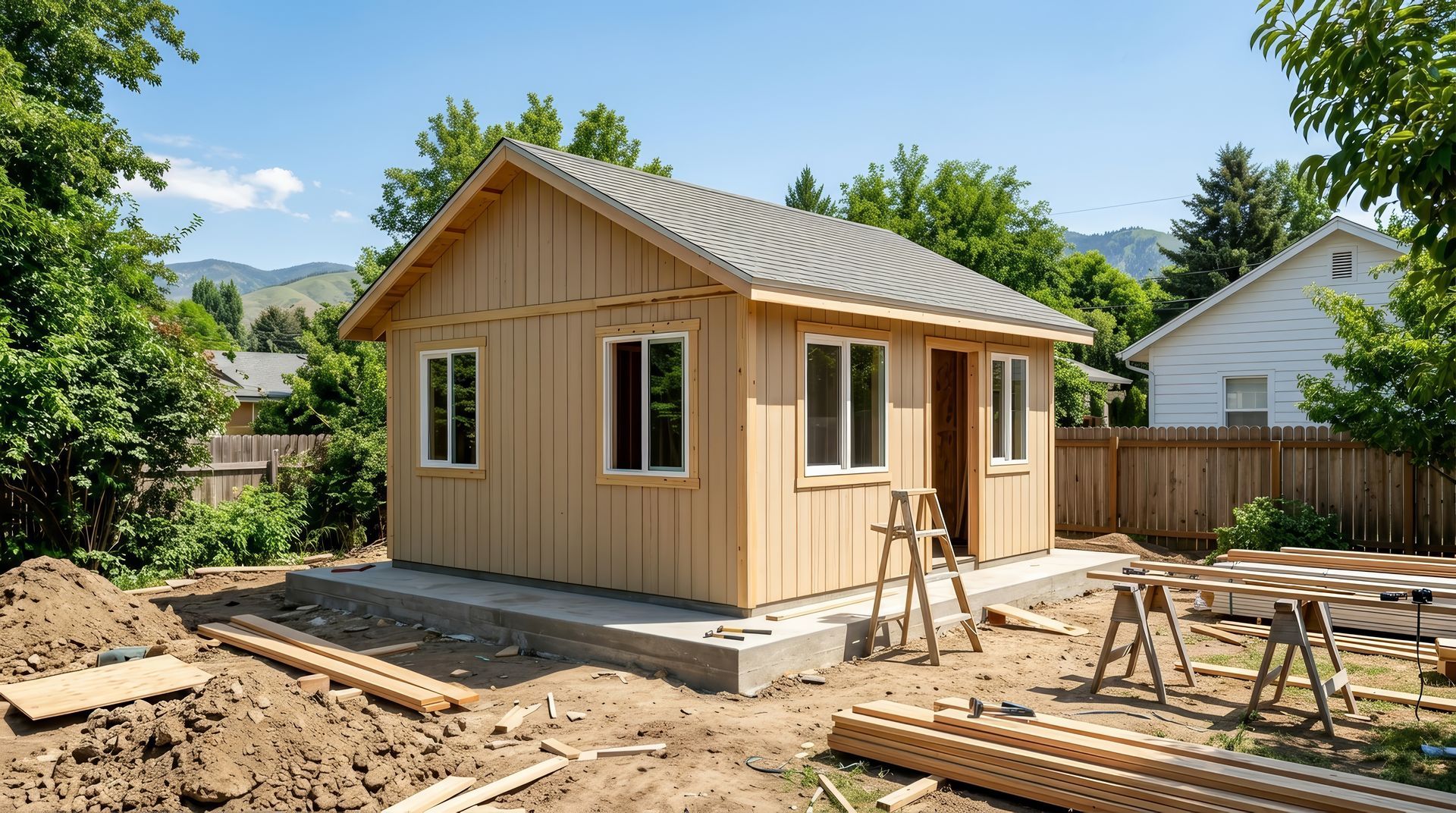
An ADU is a secondary, independent living space on a residential property, complete with its own kitchen, bathroom, and entrance. In San Diego, this can take a few different forms: a detached unit built separately from the main home, an attached unit sharing a wall, a converted garage, or a Junior ADU (JADU), a smaller unit built within the existing footprint of the home.
San Diego's ADU Regulations
San Diego is considered one of the more ADU-friendly cities in California, and the approval process reflects that. Here's what current regulations generally allow:
- Size limits. Detached ADUs can typically reach up to 1,200 square feet, depending on lot size and zoning.
- Setbacks. Standard setback requirements are as little as 4 feet from side and rear property lines, though coastal, historic, or fire overlay zones can impose stricter requirements.
- Owner-occupancy. San Diego does not require the homeowner to live on-site, meaning the ADU can be rented out as a standalone investment property.
- Ministerial approval. Compliant ADU applications go through an administrative review process rather than a public hearing, which helps keep timelines more predictable, though "streamlined" doesn't mean simple. A complete, accurate site plan and clear understanding of setback rules from the start makes a significant difference in avoiding delays.
- Parking requirements. These vary based on lot characteristics and unit size, and are worth confirming early in the planning process.
Every property is a little different, and overlay zones or lot-specific factors can affect what's allowed, which is why a site-specific review before finalizing plans is so important.
What Does an ADU Actually Cost?
This is often where homeowner expectations and reality diverge. Advertised "budget" ADU prices are frequently based on different markets entirely, exclude permits altogether, or quote just the structure without the foundation and site work included.
Permits and city fees alone can run anywhere from a few thousand dollars for a Junior ADU up to tens of thousands of dollars for a larger detached unit, depending on plan check fees, impact fees, and utility capacity charges.
Total project costs, covering design, permitting, and full construction, vary significantly based on size, finish level, and whether you're converting existing space or building new. Junior ADUs and garage conversions tend to be the most budget-friendly entry points, while larger detached units represent a more significant investment.
The timeline matters for budgeting too. A typical detached ADU can take several months to clear the permitting process from initial submission to approval, and factoring that timeline into your planning helps avoid costly surprises down the road.
What About Return on Investment?
For many homeowners, an ADU isn't just an amenity, it's a financial decision. A few factors shape the return:
Rental income potential. With San Diego's persistently high housing demand, a well-located, well-built ADU can generate meaningful monthly rental income, helping offset construction costs over time.
Increased property value. A permitted, code-compliant ADU adds usable square footage and functionality to a property, which can positively impact resale value, unlike unpermitted structures, which can actually create liability and complications during a sale.
Flexibility. Beyond rental income, an ADU adds long-term flexibility, useful for multigenerational living, guest space, or a home office, that can make a property more valuable to your own family even without renting it out.
Planning Your ADU the Right Way
The projects that go smoothly tend to share a few things in common: an accurate understanding of what the lot allows, a realistic budget built on real, itemized costs rather than advertised minimums, and a builder who manages the permitting process proactively rather than reactively.
Build Your ADU With a Trusted San Diego Contractor
With over 30 years of experience navigating San Diego's permitting and construction landscape, Firestone Builders helps homeowners plan, permit, and build ADUs that fit both their goals and their budget. Contact us today to discuss your property and start planning your ADU for next year.
You might also like