Why Your Commercial Construction Project Needs a Strong Project Manager

When you walk onto a construction site, progress is easy to see. Crews are framing walls, installing equipment, running electrical, and turning plans into a finished space.
What you don’t always see is the coordination that makes that progress possible.
Behind each phase are material orders, inspections, budget decisions, questions about the plans, and commitments from multiple trades. Someone needs to keep those responsibilities connected—and make sure the owner knows where the project stands.
That is the role of a strong project manager.
At Firestone Builders, project management is an essential part of delivering commercial construction and tenant improvement projects. Working closely with the superintendent and project team, the project manager connects what happens in the field with the planning, communication, and decisions needed to keep work moving.
One Clear Point of Communication
Owners, architects, engineers, subcontractors, and suppliers each have different responsibilities. Their work still needs to fit together.
The project manager coordinates communication across that team, tracks unanswered questions, documents decisions, and makes sure updated information reaches the people doing the work.
For the owner, this provides a clear point of contact. You should know who to call, what requires your attention, and how a decision could affect your project.
That communication becomes especially valuable during a tenant improvement project, where construction may need to account for an occupied building, neighboring tenants, or ongoing business operations.
Keeping the Schedule Moving
A construction schedule depends on more than when crews arrive. Materials must be available, required approvals must be in place, and one trade often needs to finish before another can begin.
The project manager tracks those dependencies and coordinates with the superintendent to identify what could delay upcoming work.
For example, if an electrical panel has a longer delivery time than expected, the team needs to evaluate it early. Can other work proceed? Is an acceptable alternative available? Does the installation date affect inspections or occupancy?
Addressing those questions gives the owner time to make an informed decision and the team time to adjust.
Making Costs and Changes Clear
Owners need a clear understanding of both the project budget and any proposed changes.
Unexpected conditions, revised material selections, and changes to the original scope can affect cost and schedule. The project manager tracks those items and communicates their impact so the owner can evaluate options before authorizing additional work.
A change should come with a clear explanation: what prompted it, what it includes, what it costs, and whether it affects completion.
That visibility supports better decisions and helps prevent surprises.

Working Through Unexpected Conditions
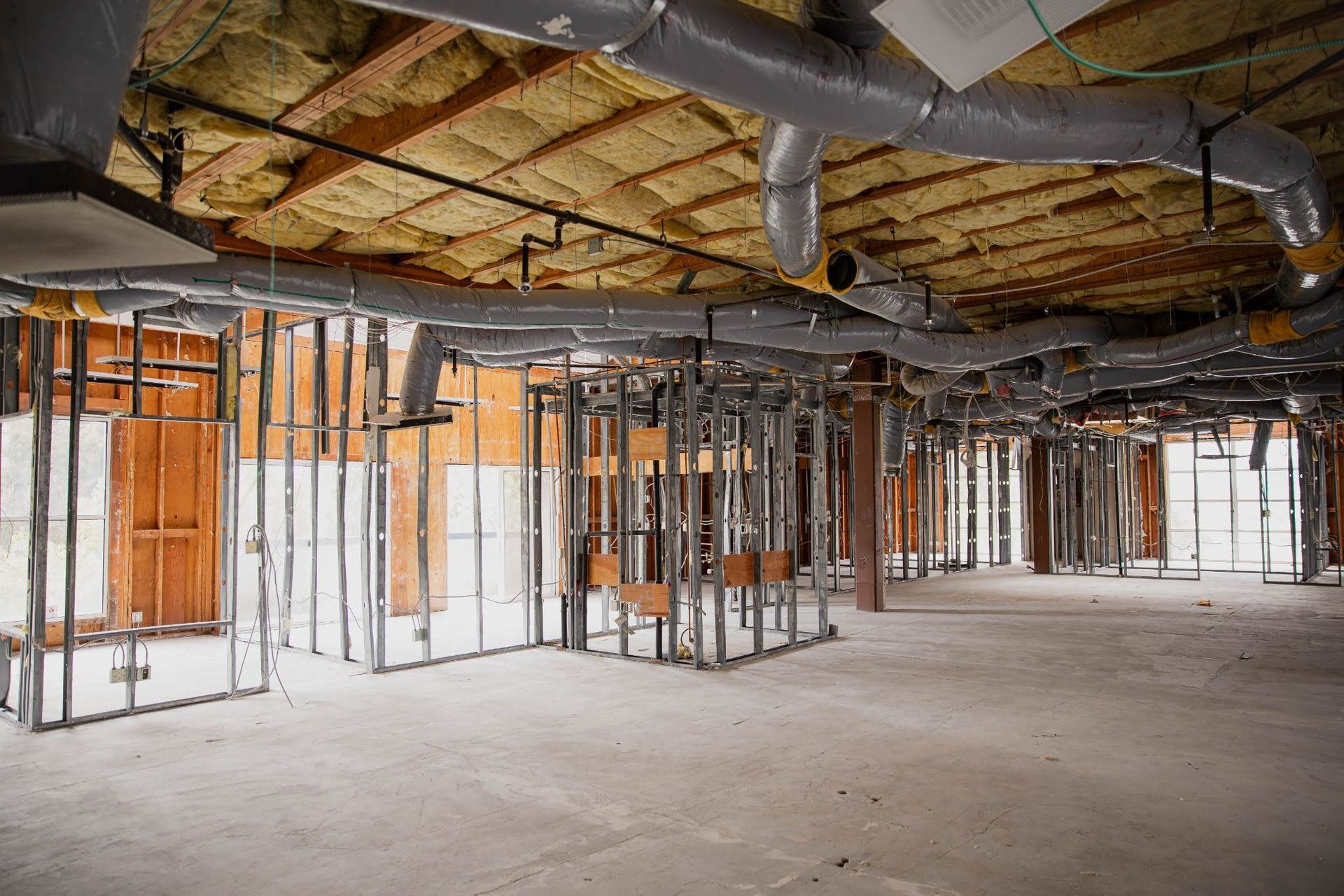
Renovation projects can reveal conditions that were not visible during planning. Opening a wall may expose an existing utility in an unexpected location. Field measurements may differ from the drawings. An existing component may need repairs before new work can proceed.
The project manager brings the appropriate people together to evaluate the condition, clarify the options, and coordinate the next steps.
The value is in turning a field discovery into a clear path forward—with the owner informed throughout the process.
Connecting the Office and the Jobsite
The project manager and superintendent have different responsibilities, but they work toward the same outcome.
The superintendent manages daily field operations, including crews, site logistics, safety, and the sequence of work. The project manager coordinates broader responsibilities such as contracts, budget tracking, procurement, documentation, and owner communication.
Close coordination between the two keeps planning grounded in actual field conditions and gives crews the information and support they need.

Following Through to Completion
The last stages of construction require careful attention. Final inspections, punch-list corrections, closeout documents, warranties, and turnover all need to be coordinated.
The project manager tracks those remaining responsibilities and works with the team to bring the project across the finish line.
For the owner, successful completion means receiving a space ready for its intended use, along with the information needed to operate and maintain it.
Accountability Throughout Your Project
A strong project manager gives the owner a clearer understanding of progress, upcoming decisions, and issues that need attention. That accountability matters from early planning through final turnover.
At Firestone Builders, we believe the way a project is managed is as important as the finished result. Clear communication, coordinated execution, and consistent follow-through help us deliver spaces that support our clients’ businesses—and build relationships that continue beyond construction.
Planning a commercial construction or tenant improvement project in San Diego County?
You might also like